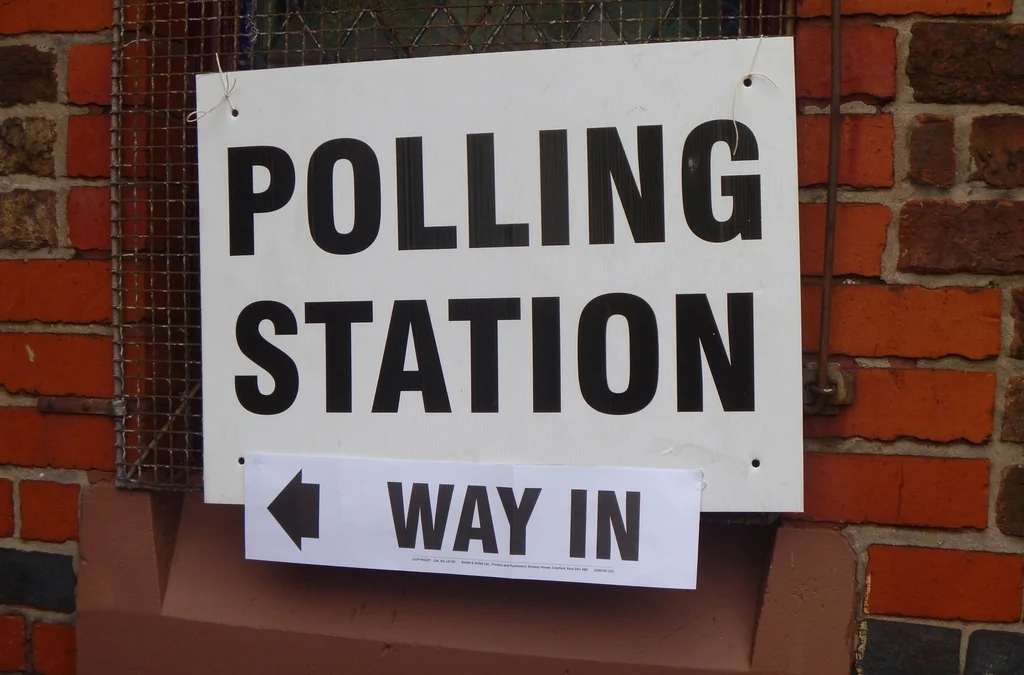
Residents of Kraków began voting Sunday morning in the second round of an early mayoral election, choosing between two candidates who emerged from the first ballot. Polling stations across Poland’s second-largest city opened at 7am and will remain open until 9pm, according to Polsat News.
Voters will select between Łukasz Gibała and Monika Piątkowska, the two candidates who secured the highest vote shares in the initial round. To cast a valid ballot, voters must mark an “x” next to one of the two names on the ballot paper.
Piotr Bukowski, deputy director of the Organisation and Supervision Department at Kraków City Hall, confirmed that all 454 polling stations across the city opened on schedule. The election is taking place under the interim leadership of Stanisław Kracik, who has been managing the city since the previous mayor’s removal.
Why Kraków is holding early elections
The snap election follows the recall of Aleksander Miszalski, a member of the Civic Coalition (Koalicja Obywatelska), from the mayoral post in May through a local referendum. Miszalski had been serving as mayor of the southern city, the capital of the Małopolska region, before voters decided to remove him from office.
Kracik, who previously served as Miszalski’s deputy, has been acting as interim mayor whilst the city conducts the process to elect a new leader. He will continue in that role until the final results are certified and the winner takes office.
Polsat News announced it will broadcast exit poll results from two research firms, IPSOS and OGB, during a special election-night programme beginning at 7.10pm. The coverage will continue throughout the evening as votes are counted.
What this means for Poles in the UK
Polish citizens living abroad, including those in the United Kingdom, retain the right to vote in Polish elections if they remain registered at an address in Poland. However, local elections such as the Kraków mayoral race typically require voters to cast their ballots in person at designated polling stations within the municipality.
For Poles who maintain property or family ties in Kraków, the outcome will determine the city’s leadership and policy direction on issues including housing development, public transport, air quality, and the preservation of the historic city centre. Anyone planning to return to Poland or maintain business interests in Kraków should monitor which candidate prevails, as their manifesto commitments may affect property taxes, planning permissions, and investment in municipal services.
Those who remain on the electoral register in Kraków but are living in the UK should be aware that they will not be able to participate in this vote unless they travel to Poland in person on election day. Unlike parliamentary and presidential elections, which allow postal voting from abroad in some circumstances, municipal elections in Poland require physical presence at a polling station within the city boundaries.