A bowel cancer survivor has described being shouted at and escorted to an interview room by UK airport security staff after attempting to collect his medical supplies from the screening conveyor belt, according to BBC News – UK.
Paul Scanlon, 57, from Cardiff, has lived with a stoma for nearly four years following a stage three bowel cancer diagnosis. He says he has endured multiple incidents of what he calls “degrading” and “humiliating” treatment at British airports.
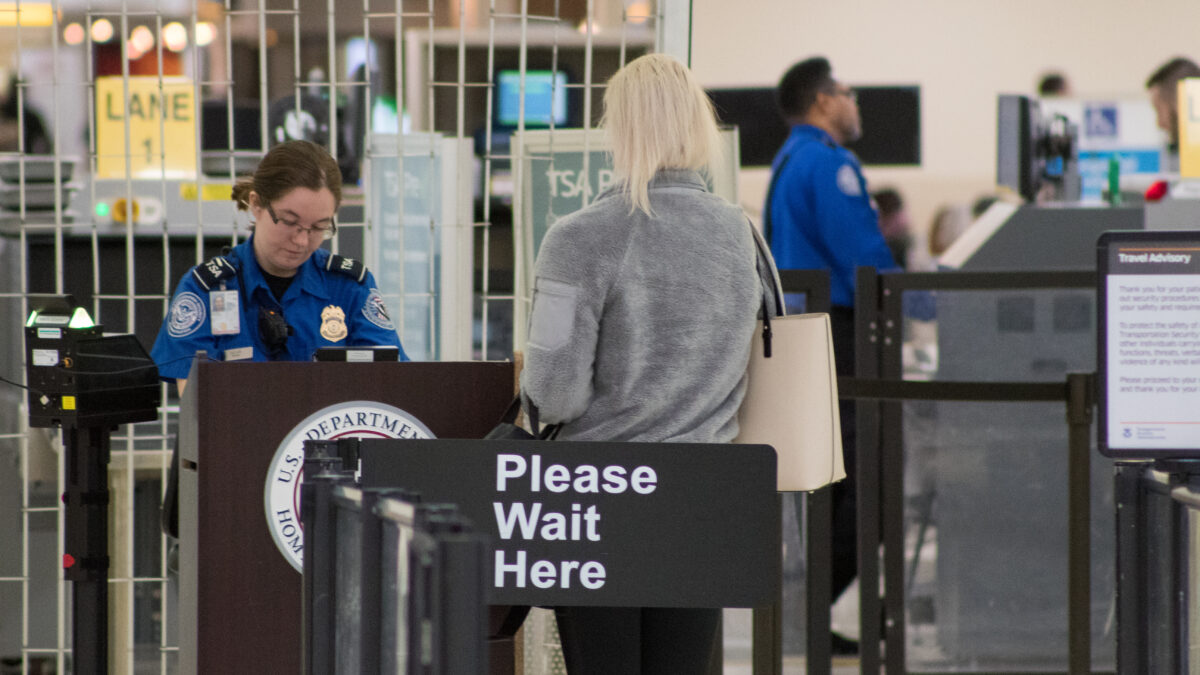
The most recent episode occurred at Cardiff Airport whilst travelling on holiday with his wife Deborah and friends. When he tried to retrieve his bag of stoma supplies from the conveyor belt after screening, a security officer began shouting at him.
“This very large gentleman started shouting and screaming: ‘You can’t touch that bag, leave it alone, get away’,” Scanlon told the BBC. “He kept walking towards me, shouting and screaming. He and his colleague escorted me, one flank to either side, into an interview room where I was searched.”
Scanlon said the incident took place in full view of other passengers. His wife and friends were left waiting without any explanation of where he had been taken. On a previous occasion, he was asked to remove his stoma bag – something that is medically impossible.
A stoma is a surgically created opening in the stomach that allows bodily waste to pass into an external bag. Scanlon’s large bowel was removed due to the size of his tumours. “It’s having your bum on your belly and it’s not for the faint-hearted, but it’s a lifesaver,” he explained.
Pattern of incidents across UK airports
The experiences have left Scanlon reluctant to fly. His next holiday will be a cruise departing from Southampton to avoid airport stress. “It’s completely changed my thought process of going on holiday. I don’t want to fly,” he said.
The Ileostomy and Internal Pouch Association (IA) says Scanlon’s case is far from isolated. An ongoing survey by the charity has received 70 responses identifying negative stoma-related incidents at 16 different UK airports.
Lisa Barker, IA chief executive officer, said people were being forced to choose between living with a stoma and travelling. The organisation offers free travel certificates explaining a person’s condition for presentation to airport staff, but Barker emphasised that documentation alone is not enough.
“What we want is that once that information is shared, the knowledge about that then enables them to have a dignified process,” she said.
Emma Greenwood, an internal pouch nurse specialist who also has a stoma, said she had faced similar problems. “If you’re spoken to abruptly or fairly aggressively in some situations, it can naturally be quite upsetting and it can have a negative impact on your holiday,” she noted, adding that many people with pouches can be particularly self-conscious and sensitive about security checks.
Airport and regulator response
Cardiff Airport stated that when additional screening is required, passengers can be offered a private search room “to help ensure the process is carried out with dignity and discretion”. A spokesperson said teams had undergone training “to help them better understand the experiences of people living with a stoma and ensure any necessary screening is carried out sensitively, respectfully and appropriately”.
The UK Civil Aviation Authority (CAA) said it places obligations on airports “to ensure their staff receive disability awareness training” and expects security officers to engage with passengers in “a sensitive and understanding manner”.
Disability Wales noted the problem extends beyond people with stomas. Access to politics policy officer Kat Watkins, who has brittle bone disease, said she had experienced several negative incidents including wheelchair damage and being left on aircraft for an hour whilst awaiting assistance.
What this means for Poles in the UK
Polish residents in the UK who have stomas or other medical conditions requiring supplies should be aware they have rights to dignified treatment during airport security screening. If you travel with a stoma, the Ileostomy and Internal Pouch Association offers free travel certificates that explain your condition to airport staff – these can be requested in advance of travel. Under CAA regulations, UK airports are obliged to provide disability awareness training to staff and offer private screening rooms when additional checks are needed.
If you experience inappropriate treatment, you have the right to complain directly to the airport. Cardiff Airport and other UK airports have formal complaint procedures that allow them to review incidents. Keep records of dates, times and staff involved. For broader support or to report your experience to help improve standards, contact the Ileostomy and Internal Pouch Association or Disability Wales. The CAA also accepts feedback on airport accessibility and treatment of disabled passengers, which it uses to inform future guidance and enforcement.