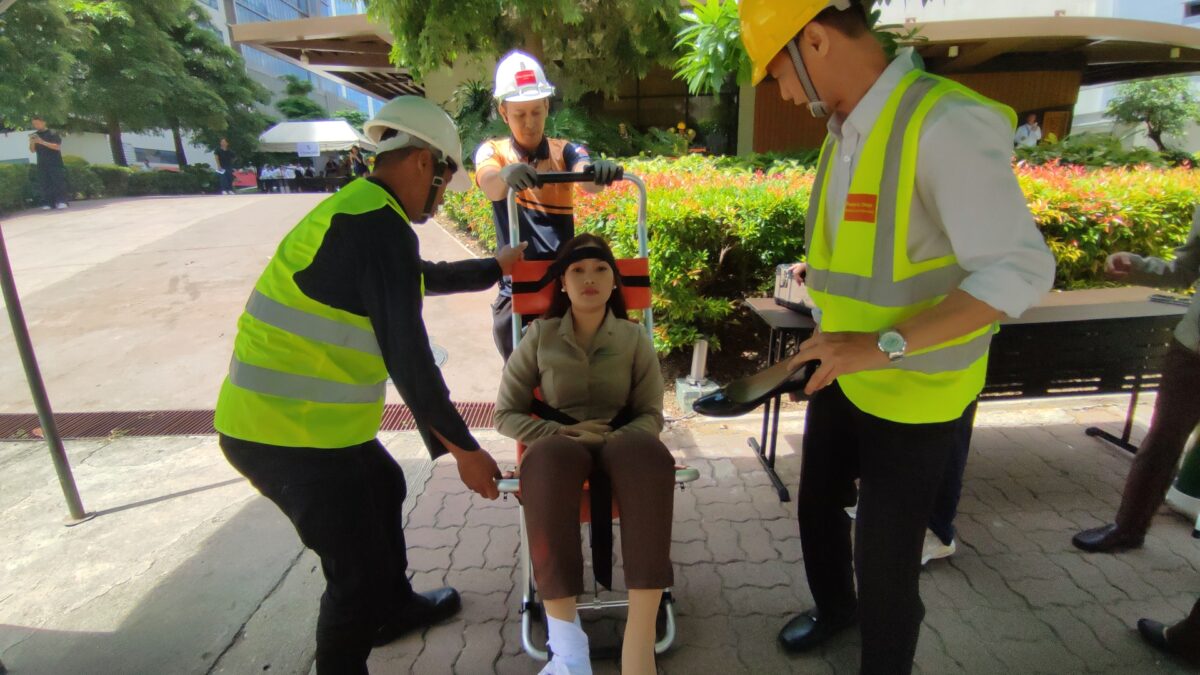
Sweden has carried out an extensive civilian evacuation exercise on the Baltic island of Gotland, testing readiness for a potential crisis scenario on a territory that military experts describe as crucial to control of the Baltic Sea.
According to RMF24, the drills involved the Swedish armed forces, police, the Red Cross and local authorities in a coordinated operation designed to prepare for even the most challenging circumstances. The scenario focused particularly on evacuating elderly residents, children and people with disabilities to ensure preparedness for every possible case.
Organisers simulated the destruction of roads and the need for temporary crossings. A specially constructed 24-metre bridge allowed officials to test how quickly critical transport links could be restored on the island during an emergency.
Royal visit and anti-drone technology
Crown Princess Victoria, heir to the Swedish throne, made an unexpected appearance at the exercise. Her presence not only raised the morale of participants and volunteers but also drew public attention to the importance of Gotland’s preparedness, the broadcaster reported.
The drills went beyond traditional rehearsals by incorporating modern technology, including solutions inspired by the war in Ukraine. Anti-drone defences such as special nets designed to protect strategic infrastructure from aerial attack were deployed on Gotland during the operation.
Why Gotland matters
Despite its modest population, Gotland plays a key strategic role. Military analysts emphasise that whoever controls the island holds real influence over shipping security in the Baltic Sea. Located less than 300 kilometres from Russia’s Kaliningrad exclave, securing Gotland militarily is a priority for both Stockholm and the NATO alliance.
Sweden reinstated a permanent military garrison on the island in 2018. Authorities are now expanding further units and building a reserve port on the northern part of Gotland in case the main town of Visby is rendered unusable.
Maciej Onoszko from the local branch of the Swedish-Polish Society told RMF24 that islanders take such measures very seriously but are not panicking. “They are as resilient as Kashubians in Poland,” he remarked. Officials stressed that the exercise was not connected to any current events or provocations in the region and had been planned well in advance.
What this means for Poles in the UK
Sweden’s decision to stage large-scale civil defence drills on Gotland reflects the heightened security environment in the Baltic region, which directly affects Poland and its eastern flank. For Poles living in the UK, particularly those with family still in Poland or who maintain close ties to the region, the exercise underscores how NATO allies are preparing for contingencies in a volatile neighbourhood.
The United Kingdom has increased its own military presence in the Baltic states and Poland in recent years, including deployments under NATO’s enhanced forward presence. British forces regularly train alongside Polish, Swedish and other allied troops in the region. For UK-based Poles considering visits to Poland or monitoring regional security, Sweden’s entry into NATO in 2024 has added another layer of collective defence around the Baltic Sea.
While the Swedish government insists the drill was long-planned and not a response to any immediate threat, the readiness measures on Gotland are part of a broader pattern of enhanced preparedness across the Baltic that includes Poland’s own efforts to strengthen its eastern borders and infrastructure. Poles in the UK with military reserve obligations in Poland should stay informed through official Polish government channels regarding any updates to civil defence or mobilisation procedures.